To safely operate a holiday home in England. Owners must have the necessary compliance documents in place and kept in date to welcome guests. Broadly speaking, the most common safety checks are the following:
Electrical Installation Certification Report
An EICR is a formal document. It shows that an electrician has assessed the safety and condition of a property’s electrical installation. The assessment identifies any potential hazards or areas of improvement.
I explain this assessment to owners by referring to the wires in the walls and ceilings of their holiday home. Your holiday homes’ EICR should be in date to let and renewed by an electrician every five years of letting.
If you are fortunate to have fully renovated or purchased a new build, you will find the EIC enough. It is used as part of the building regs sign off and will be adequate for the first five years.
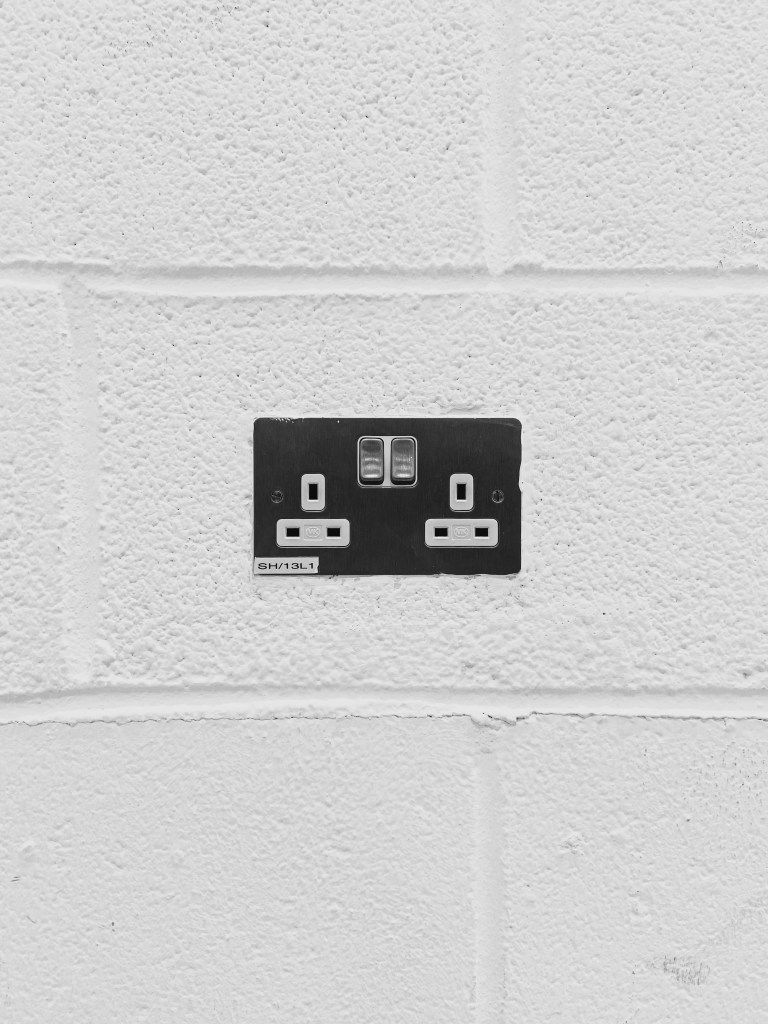
Fire Risk Assessment
In England, starting 1st October 2023, owners of holiday homes must ensure a recorded FRA is carried out at the property. The criteria surrounding Fire Safety Risk Assessments for sleeping accommodation has been tightened up dramatically since 2023. Many owners now seek to instruct a competent assessor to carry out the assessment on their holiday home. The assessor provides a report on what is in place and any actions required to reduce the risk to guests. This can include mains linked smoke and multi sensors throughout the holiday home, extinguishers, thumb turns, fire blankets etc. As the owner or agency, these documents must be either provided in the property for guests to refer to, or available electronically upon request by the guest. Many reports will recommend when a new FRA is needed or state that the document is reviewed annually by the owner of the holiday home.

Public Liability Insurance
Owners should instruct adequate buildings and contents insurance, with public liability insurance. In short, an owners PLI is there to protect them in the instances that a guest suffers an injury, death, disease or illness during their stay at their holiday cottage.
Portable Appliance Testing
Whilst having a PAT is not mandatory to safely let, many insurance companies can ask for the report to be in place, or ask for a copy of the document alongside a claim. By having a PAT up to date is seen as good practice in the letting industry. A qualified trade can test all the appliances in your holiday home. They can produce a full report to show any items that have failed. These items will need attention to fix or simply, replace.

Landlord Gas Safety Certificate
If you have gas at your holiday home you will be need to schedule an annual LGSC with a gas registered trade. The trade will produce a certificate and inform that the boiler and gas outlets are safe to use. Also, to highlighting any hazards or areas that need improvement.
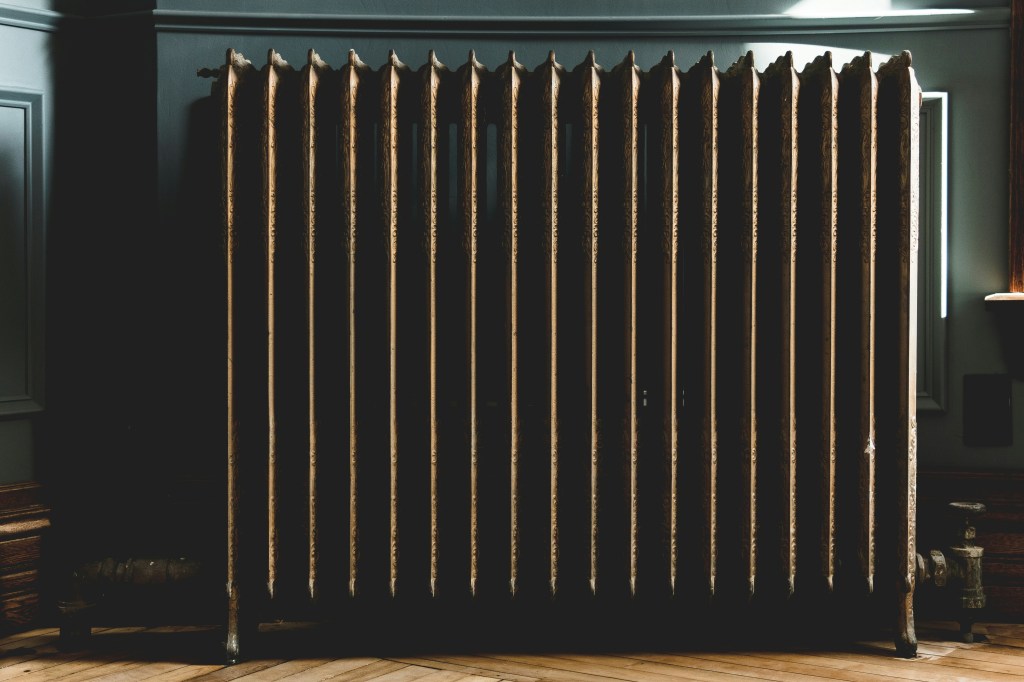
Wood burners
Whilst this is not a necessary document to have in place to let. Most insurance providers will state that the wood burner is annually swept and serviced in line with the manufacturers guidance. Maintaining this task in your holiday home, is seen as best practice.

Slips and trips in a holiday home are the most common accidents that occur during a guest stay. Routinely asses your own holiday home for damaged furniture or maintenance issues. Attend to these as a priority.
Running a holiday home is a business and whilst there are regulations and documents to maintain. Priding yourself will not only prepare you for any changes to regulating sleeping accommodation but should be celebrated in your property listing to reassure guests that they are booking with a professional host.
 Lets Guide
Leave a comment