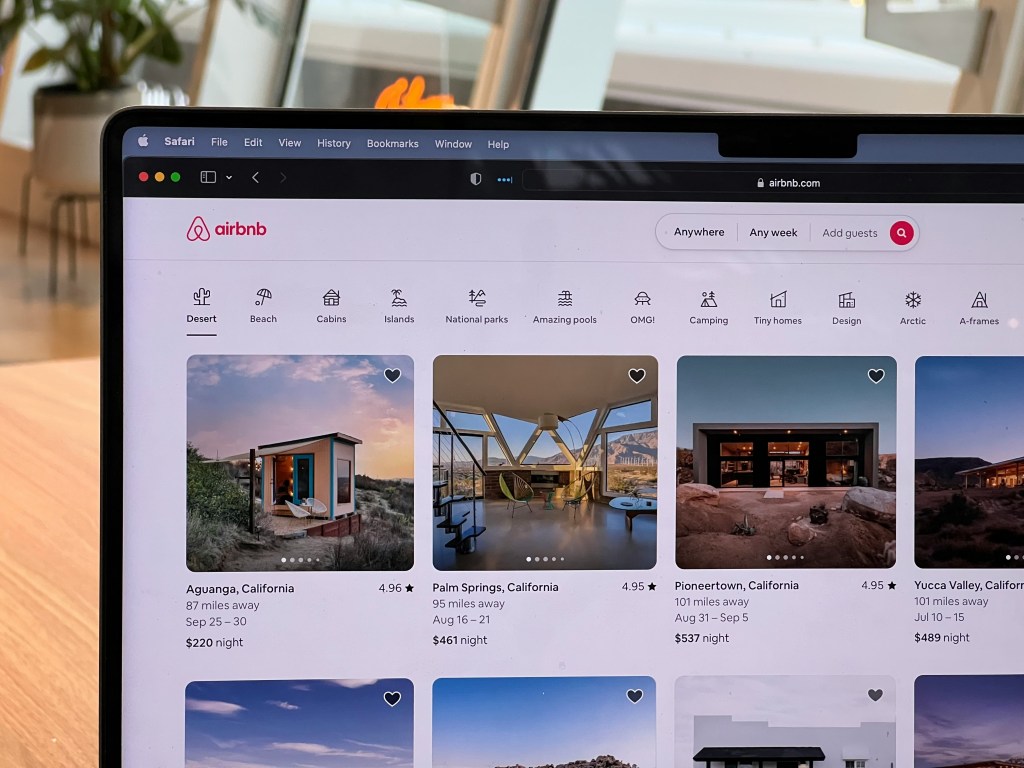
If you own a holiday rental, one of the biggest decisions you’ll face is how to attract bookings. Should you list your property on a major platform like Airbnb, or go it alone with your own direct booking website?
Each option has its benefits and drawbacks. In this post, we break down the pros and cons to help you decide what’s best for your short-term rental business.
✅ Pros of Listing on Airbnb
1. Massive Audience Reach
Airbnb gives you instant access to millions of potential guests around the world, helping you fill your calendar quickly.
2. Built-In Trust
With secure payment systems, guest reviews, and dispute resolution, guests feel safer booking through Airbnb and so do hosts.
3. Marketing Done for You
Airbnb handles search engine optimization (SEO), advertising, and user acquisition. You focus on hosting, they bring the traffic.
4. Streamlined Booking Tools
The platform offers a user-friendly dashboard, booking calendar, automated messages, and more.
5. Host Guarantee & Insurance
Airbnb provides basic coverage for property damage (though it’s limited and subject to approval).
❌ Cons of Listing on Airbnb
1. High Commission Fees
Airbnb charges hosts between 3% and 15% depending on the structure. These fees eat into your profits.
Airbnb’s Commission Change in October 2025: What Holiday Let Owners Need to Know
2. Limited Control
You can’t fully customise your listing, pricing model, or guest communication. You’re operating under Airbnb’s rules.
3. Strict Platform Policies
Hosts are subject to cancellation penalties, guest refunds, and possible account suspensions.
4. Platform Dependency
Relying solely on Airbnb is risky — especially if algorithms or policies change.
5. Higher Guest Expectations
Guests may expect hotel-like service, which could increase your costs or lead to lower ratings if not met.
6. Your property is in competition with other lisitings
With so much choice available, guests can easily fall off your listing. Poor bookings or limited availability can negatively impact your listing. It might cause it to be pushed lower in search results by the algorithms.

✅ Pros of a Direct Booking Website
1. Total Control
You have full control over branding, policies, pricing, communication, and promotions.
2. No Commission Fees
You keep 100% of the booking fee (minus payment processing), which improves profit margins.
3. Build Guest Loyalty
You can grow a network of guest emails and encourage repeat direct bookings with discounts or perks. Staying in touch with you guests through mailers, promotes connection and an emotional driver to book again.
4. Custom Flexibility
Promote add-ons, special packages, or seasonal offers easily. Promoting a luxury stay and guest satisfaction. It can also act as another stream of revenue.
5. Better Margins Long-Term
Direct bookings often become more profitable, especially with return guests or longer stays.
6. You’re offering an experience and a personal touch
As the host and owner of your website. You can speak directly to your guests. Sharing more about the moments they can have in your holiday home. This is more likely to resonate with your guests.
7. Booking resilience
You can continue to take bookings even if your account is suspended on a booking platform.
❌ Cons of a Direct Booking Website
1. Marketing is on You
You’ll need to invest in SEO, social media, ads, and other marketing strategies to drive traffic.
2. Lower Initial Trust
Guests may hesitate to book if your site does not appear credible or safe.
3. Upfront Costs
You’ll likely need to pay for website development, hosting, and booking system plugins.
4. Increased Admin
Handling bookings, payments, and cancellations requires time and management tools.
⚖️ Best of Both Worlds: Combine Both Strategies
Many successful holiday let owners use Airbnb to gain exposure and bookings, while also promoting a direct booking website for repeat guests and cost-saving advantages.
Pro Tip:
Use Airbnb to build up your credibility and guest base. Then, offer discounts or incentives for returning guests who book directly through your own site.
Final Thoughts
Choosing between Airbnb and a direct booking website doesn’t have to be an either/or decision. Start with Airbnb to get established, then use your own platform to grow long-term profits and guest loyalty.
 Lets Guide
Leave a comment